
Why Hockey IQ Matters More Than Skill (And How to Develop It)
Dec 01, 2025
If you’ve ever wondered why some players seem to always be in the right place at the right time, making plays look effortless while others are just a half-step behind, the answer isn’t raw talent—it’s hockey IQ. You can be the fastest skater, have the hardest shot, and stickhandle through a phone booth, but if you don’t think the game at an elite level, you’re always going to be chasing the play instead of dictating it.
The best players in the world aren’t just athletically gifted—they’re mentally sharp, anticipating plays before they happen, adapting in real time, and making decisions that give them an edge over their opponents. Here’s why hockey IQ matters more than skill and how players can train their brains to think the game at a higher level.
What Is Hockey IQ?
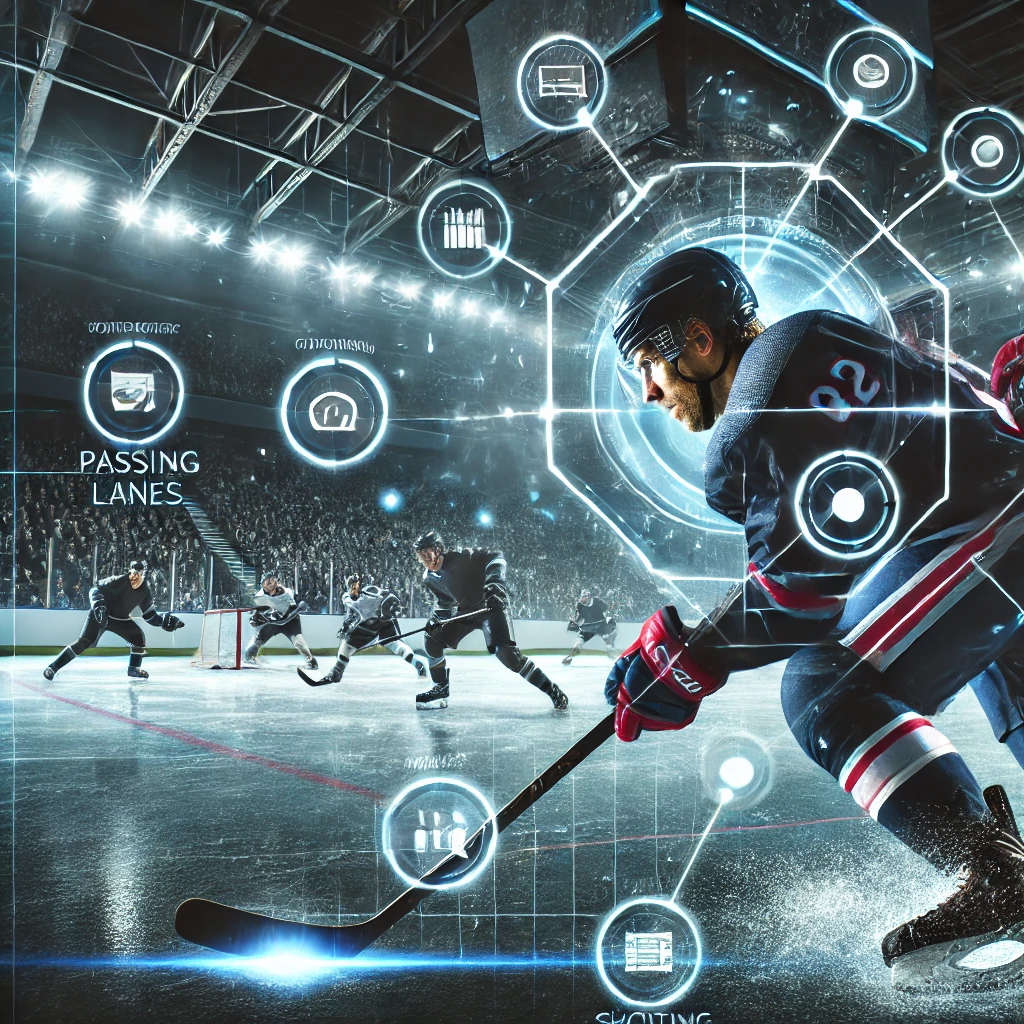
On the surface, hockey can seem like a black-and-white game—pass, shoot, defend, score. But in reality, it’s a game played in layers of grey, filled with split-second decisions, unpredictable scenarios, and infinite possible outcomes. The best coaches take those shades of grey and refine them into something clearer—guiding players toward black-and-white decisions by simplifying the game, reinforcing key principles, and making complex concepts easier to digest.
Great coaching isn’t about overwhelming players with strategy—it’s about presenting the game in a way that allows them to process and execute under pressure. By teaching direct, simple references from a young age, players can absorb concepts without feeling lost in overcomplication. As their brains develop and they can handle deeper tactical theory, their Hockey IQ evolves.
The game only gets faster, and the margin for error shrinks at higher levels. That’s why elite players don’t just survive in the chaos—they simplify it. They take a game filled with infinite choices and turn it into a set of clear, decisive actions. The best decision-makers see the options, assess the risks, and react with precision—because when hockey becomes truly instinctual, the grey fades, and the game plays out in black and white.
Hockey IQ is the ability to read, anticipate, and react to the game faster than the competition. It’s not about knowing one set of plays—it’s about understanding patterns, tendencies, and options available in every situation. The best players don’t just react to what’s happening—they predict what’s coming next and position themselves accordingly.
Signs of a High Hockey IQ Player:
-
Always in the right place at the right time
-
Makes quick, smart decisions under pressure
-
Anticipates plays before they happen
-
Supports teammates and understands spacing
-
Knows when to hold onto the puck vs. when to move it
-
Adapts mid-game based on how the opponent plays
The players who think the game well tend to have longer careers because even if their speed or hands decline, their mind keeps them effective. Look at guys like Joe Pavelski, Patrice Bergeron, or Niklas Lidström—they were never the fastest or flashiest, but they were always a step ahead of everyone else.
Why Hockey IQ Matters More Than Skill
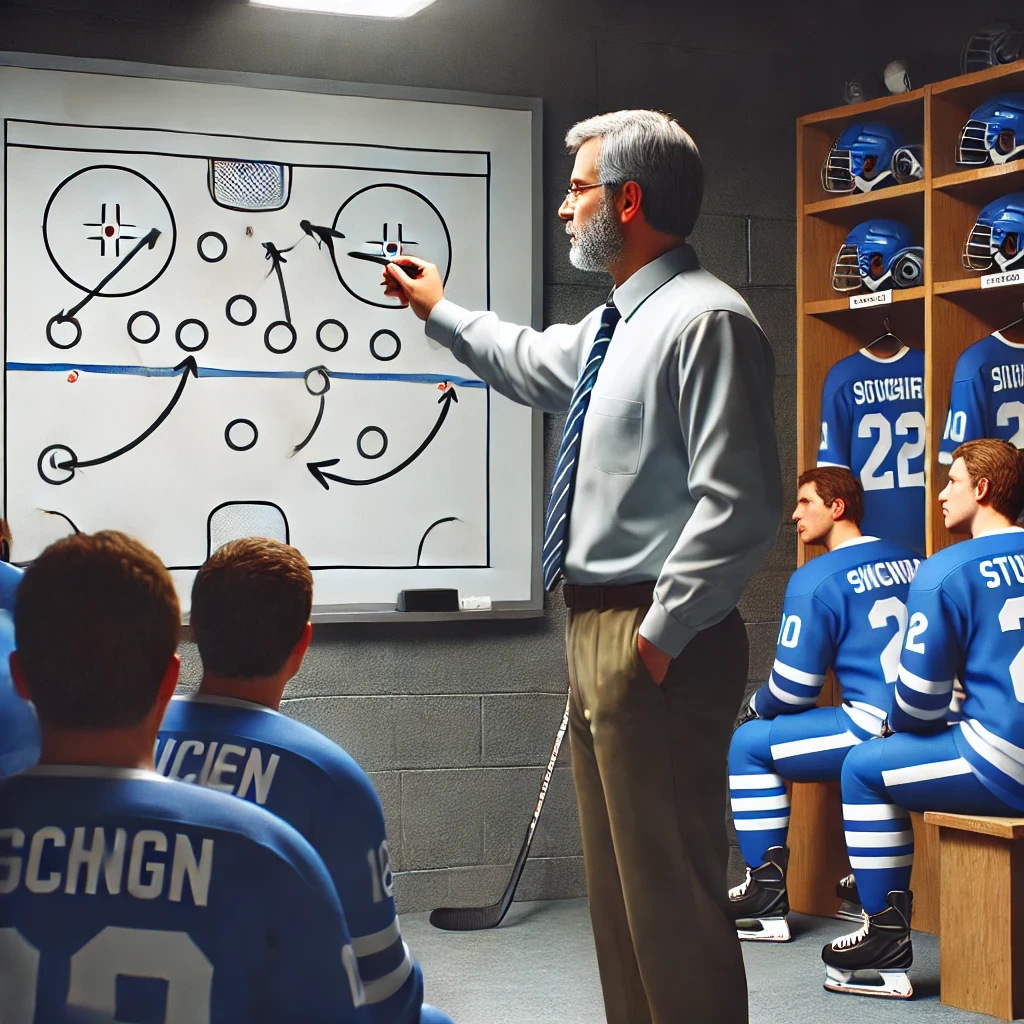
There’s an old saying: “Million-dollar tools and a 10-cent toolbox.”
You see it all the time—players with insane hands, blazing speed, and a rocket of a shot who just can’t seem to put it all together. They have the skills, but they don’t know when or where to use them.
On the flip side, players who think the game quicker execute the game quicker. They process the play in real-time, react faster, and always seem to be one step ahead. Then, you have the rare few who possess the perfect mix of neck-up intelligence and neck-down ability, combined with a touch of divine hockey intervention—the Crosbys of the world, who always make the right decision at the right time.
Is that God-given, or just an advanced way of thinking?
If there’s a human IQ number for being a genius, what would be the hockey IQ equivalent? Who would qualify as a hockey genius in terms of how they see the game?
This is exactly why coaches prioritize high-functioning, top-level thinkers. It’s incredibly difficult to teach a player how to process the game at an elite level if they don’t already have that instinct. You can teach skills. You can make a player stronger, faster, and more explosive. But training a player to think the game quicker and make the right decisions? That’s the hardest thing to develop later in life.
The smartest players don’t just play—they process the game like they’re watching it from 100 feet above the ice, slowing everything down while everyone else scrambles to keep up.
Talent can get you noticed. Hockey IQ keeps you in the lineup.
-
Speed without purpose is just wasted energy. You can fly around the ice, but if you’re not in the right lanes, you’re not a threat.
-
A hard shot is useless if you never get into a scoring position. Players with high IQ don’t just fire pucks—they find soft areas where they can actually be dangerous.
-
Great hands won’t help you if you don’t know when to move the puck. The best players make quick reads and don’t overcomplicate the game.
Hockey IQ is what turns a player from being good to great—it separates high-end NHLers from guys who dominate junior or college but can’t make it stick at the pro level.
How to Develop Hockey IQ

The good news? Hockey IQ isn’t just something you’re born with—you can develop it. The best players don’t just practice hard—they practice smart, and they study the game as much as they train their bodies.
1. Watch Hockey Like a Student, Not a Fan
Most people watch hockey to be entertained. If you want to improve your Hockey IQ, watch it to learn.
-
Focus on a single player—how they move without the puck, how they support teammates, where they position themselves.
-
Watch what happens before a goal is scored. What small plays led to the scoring chance?
-
Pay attention to defensive zone structure—how good defenders manage gaps, sticks, and angles.
Elite players don’t just watch highlights—they study shifts, breakouts, power plays, and forechecks.
2. Play Small-Area Games
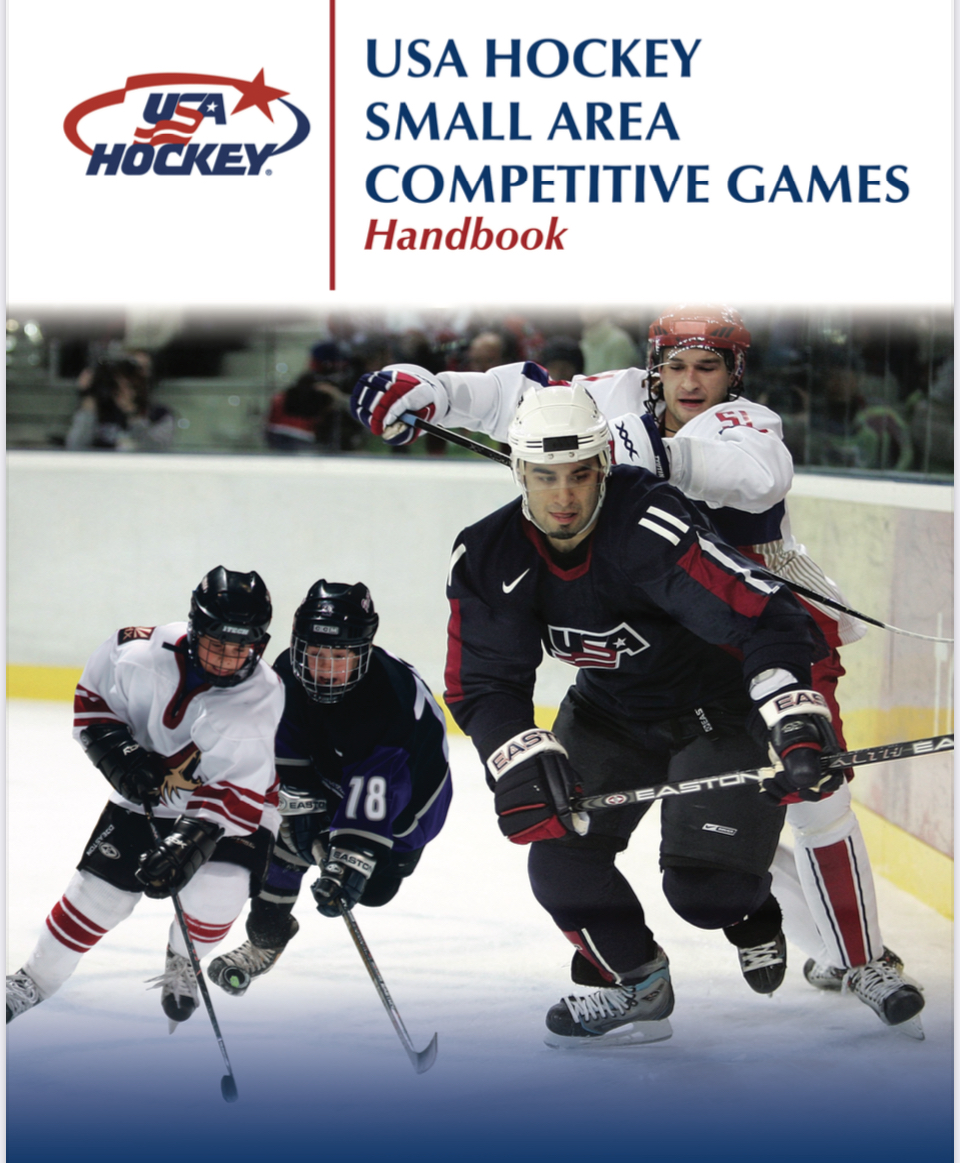
Small-area games are one of the best tools coaches use to create unscripted, game-like situations that force players to make rapid decisions in tight spaces. These drills take away time and space, forcing players to think and react quickerwhile dealing with pressure.
When you see players who consistently succeed in small-area games, it’s a sign that their hockey IQ is ahead of their peers—they process the game faster and execute decisions more efficiently.
Coaches can also tailor small-area games to simulate specific real-game situations players will encounter:
-
Odd-man power play vs. penalty kill drills to improve quick decision-making and movement.
-
Multiple-goal scenario games that teach situational awareness and adapting on the fly.
-
Passing-centric give-and-go drills that emphasize vision and puck support.
By repeatedly experiencing high-pressure, high-speed decision-making scenarios, players become critical thinkers and expert decision-makers—just like they need to be every shift in a real game.
Want to train your brain to process the game faster? Small-area games force players to make decisions under pressure, in tight spaces, with limited time.
-
3-on-3 below the hashmarks to work on tight-space passing
-
Keep-away drills that focus on quick puck movement and finding open lanes
-
Cross-ice games where players have to constantly scan the ice and make rapid reads
Small-area games replicate real game situations, forcing players to read and react quickly.
3. Ask the “Why?” Question
High-level players don’t just memorize plays—they understand the reasoning behind them.
-
Instead of just knowing where to be, ask why that’s the best position.
-
Instead of making the same breakout pass every time, ask what’s the next-best option if the lane is closed?
-
Instead of blindly following a coach’s system, ask how does this strategy expose the other team’s weaknesses?
Great players are always thinking one step ahead.
4. Play Different Positions
The more you understand the responsibilities of every position, the better your hockey IQ becomes.
-
If you’re a forward, spend a practice playing defense—you’ll gain insight into how defenders read the game.
-
If you’re a defenseman, spend some time playing center—see what it’s like to battle on draws and support wingers.
Understanding how all five skaters interact on the ice gives you a huge advantage when making plays.
5. Study Film (Especially Your Own)
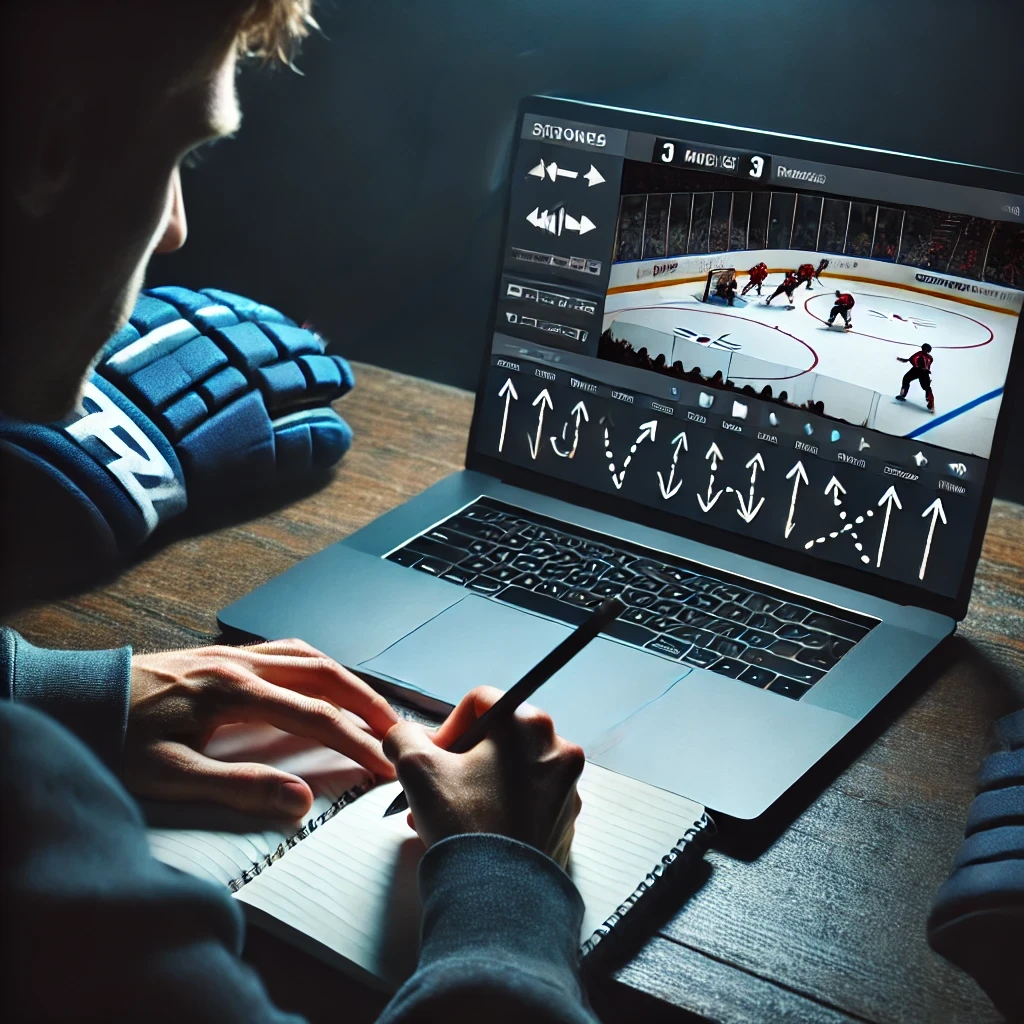
Watching NHL games is great—but watching yourself play is even better.
-
Notice where you were on the ice—were you supporting the puck or just floating?
-
Were you anticipating plays or just reacting late?
-
Did you make the right read, or was there a better option?
Players who watch their own shifts improve way faster because they can correct mistakes and reinforce good habits.
Final Thoughts: Train Your Brain, Not Just Your Body
Hockey IQ is what separates players who just have skill from players who actually make an impact. If you can read the game faster, anticipate plays, and make quick decisions under pressure, you will stand out at any level.
Want to take your Hockey IQ to the next level? Start watching the game like a student, ask “why” more often, and put yourself in situations that force quick decisions. It’s not about just playing harder—it’s about playing smarter.
About the Author
Growing up with a father as a coach, Darrell had no shortage of car rides home filled with constructive reasoning and mid-trip film breakdowns. Watching a coach watch a game on TV is a completely different experience than watching with a fan—it’s an education. Sitting in the locker room, cutting tape and watching game footage frame by frame, then listening to his dad explain plays in a way that teammates could process faster, was one of the greatest advantages he had growing up. It wasn’t just about learning the game—it was about understanding how to teach it.
He’s played with guys who could dangle through an entire team but had no idea where to be without the puck, and others who weren’t the fastest or most skilled but always seemed to make the right play at the right time. These days, he’s passing down that knowledge to help the next generation develop not just their skills, but their Hockey IQ—because knowing where to be is just as important as knowing what to do.
