
When the Moment Matters
Jan 15, 2026
I’ve been thinking a lot about urgency lately.
Not because kids don’t care, but because the world around them rarely asks them to.
At school. In sports. In everyday expectations. There’s almost always a reset button nearby. A retake. An extension. Extra credit. A way to make it right later if it doesn’t go well now.
I’m not mad about it. And I’m certainly not blaming kids. I’m just trying to understand what lesson is being taught when outcomes are endlessly adjustable and preparation is optional.
Because when everything can be fixed later, very little feels urgent now.
Urgency, Hunger, and Intensity Defined
Before this goes any further, it’s worth defining terms. These words can carry baggage if we let them.
Urgency isn’t panic.
It’s respecting the moment you’re in.
Hunger isn’t cutthroat ambition.
It’s caring before you’re forced to.
Intensity isn’t volume or emotion.
It’s intention.
None of these are personality traits. They’re responses to environment. They show up when the situation asks for them. And they fade when it doesn’t.
That’s not a character flaw. That’s human behavior.
The Rise of the Redo

In many systems today, especially for kids, the safety nets are wide. Often for good reasons. Grace matters. Support matters. Mental health matters.
But there’s a difference between supporting learning and removing consequence.
There’s a difference between helping someone up and carrying them across the finish line.
When retakes replace preparation and extra credit replaces mastery, the message, even unintentionally, becomes clear.
You don’t have to be ready yet.
And if you don’t have to be ready, urgency never has a reason to show up.
When Caring Looks Out of Place
I’ve been told more than once to relax. To take my foot off the gas. To care a little less.
I understand where that comes from. In an environment where urgency is optional, intensity stands out. When the bar is low, effort can feel aggressive.
But intensity doesn’t come from thinking you’re better than others. It comes from believing the opportunity in front of you matters.
That belief can feel uncomfortable in spaces built around flexibility and forgiveness. Not because it’s wrong, but because it highlights a contrast.
The Game Doesn’t Offer Retakes
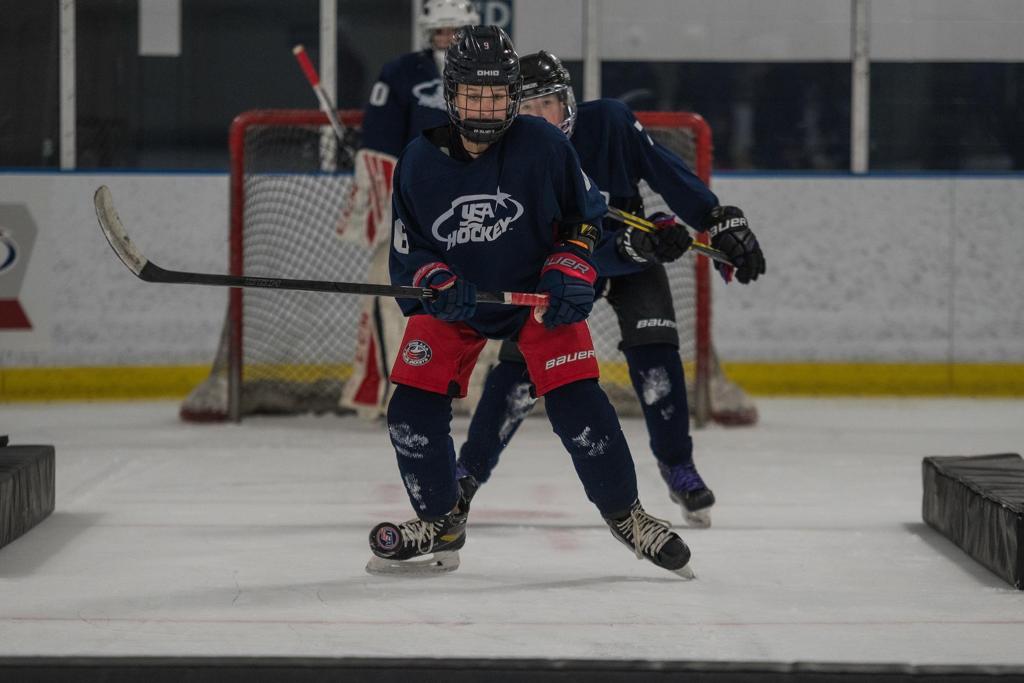
This is where sport becomes a powerful teacher.
The puck doesn’t pause.
The shift doesn’t wait.
The moment arrives whether you’re ready or not.
There’s no extra credit for noticing late. No redo because you meant to prepare differently. There’s just feedback. Immediate, honest feedback.
That’s not harsh. That’s clarity.
And clarity is often what’s missing elsewhere.
Discomfort Is Not the Enemy
One of the biggest misconceptions in development is that discomfort means something has gone wrong.
In reality, discomfort often means something important is happening.
Missing a grade.
Losing a battle.
Not making the team you wanted.
Receiving feedback you weren’t expecting.
These moments don’t break kids. They teach them how to respond.
Urgency is born in those moments. Not through pressure, but through responsibility.
Inviting People Into the Arena
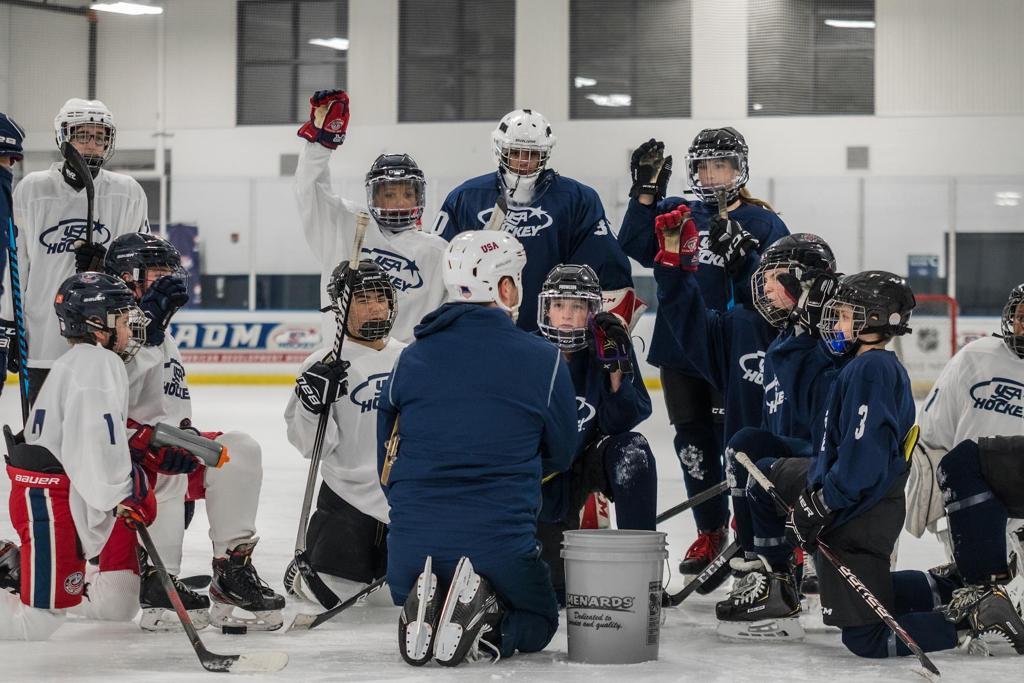
The answer isn’t dragging people out of comfortable systems or shaming them for how things work.
The answer is building environments where the moment matters, and then holding the door open.
The arena isn’t louder.
It’s clearer.
Expectations are known.
Preparation counts.
Feedback sticks.
Outcomes teach.
Not everyone needs to live there all the time. But everyone benefits from stepping inside once in a while.
What Endures
Not everything old needs replacing. Caring still matters. The will to succeed still matters. The desire to prepare, to compete, to show up when it counts isn’t outdated. It’s timeless.
I was taught those things early by people who believed competition was a privilege, not pressure. The best teachers and coaches don’t just develop skill. They develop belief. And belief is what teaches people to love competing, not fear it.
That matters, because when the final horn sounds, there are no do-overs. Only what you brought to the moment.
Closing Thought
I don’t want kids to fear failure. I want them to respect opportunity.
Urgency, hunger, and intensity don’t come from fear. They come from understanding that the moment you’re in actually matters.
And when kids learn that, not because they were forced to, but because they were invited into environments that made it clear, something changes.
They don’t just get better at school or sport.
They get better at showing up for life. 🏒
About the Author
Darrell Hay is a coach, parent, and lifelong student of development. He believes growth happens when preparation meets opportunity, and that urgency doesn’t come from pressure, but from environments where the moment matters. When he’s not on the ice, he’s usually moving between coaching college athletes, coaching 14-year-olds, and coaching his own kids, realizing that no matter the level, everyone gets a moment. The only question is whether you’re in yours, or if it’s already passed you by.
