
The "Development" Paradox
Dec 17, 2025
Development is one of the most used words in sports - and one of the least understood. Everyone talks about it. Few define it. Even fewer live it.
The Starting Point
Development is one of the most general - and yet most specific - concepts in the game. Like a forecheck system or a power play setup, there’s a framework to it. But the coaches and programs who truly succeed? They make it personal. They dig into the details. They tailor the plan to the people in front of them.
Because development, at its core, is about identifying what you need to become the best version of yourself - for the level you want to play at.
Is it becoming a stronger skater? Quicker release on your shot? Making better decisions under pressure? Is it understanding your role better so you earn more responsibility? Becoming a beast in the weight room? Improving your off-ice choices? Sharpening the mental game so you move from good to great?
Everyone has those questions. The players who truly develop - they know the answers. And they get to work applying them.
Define and Align
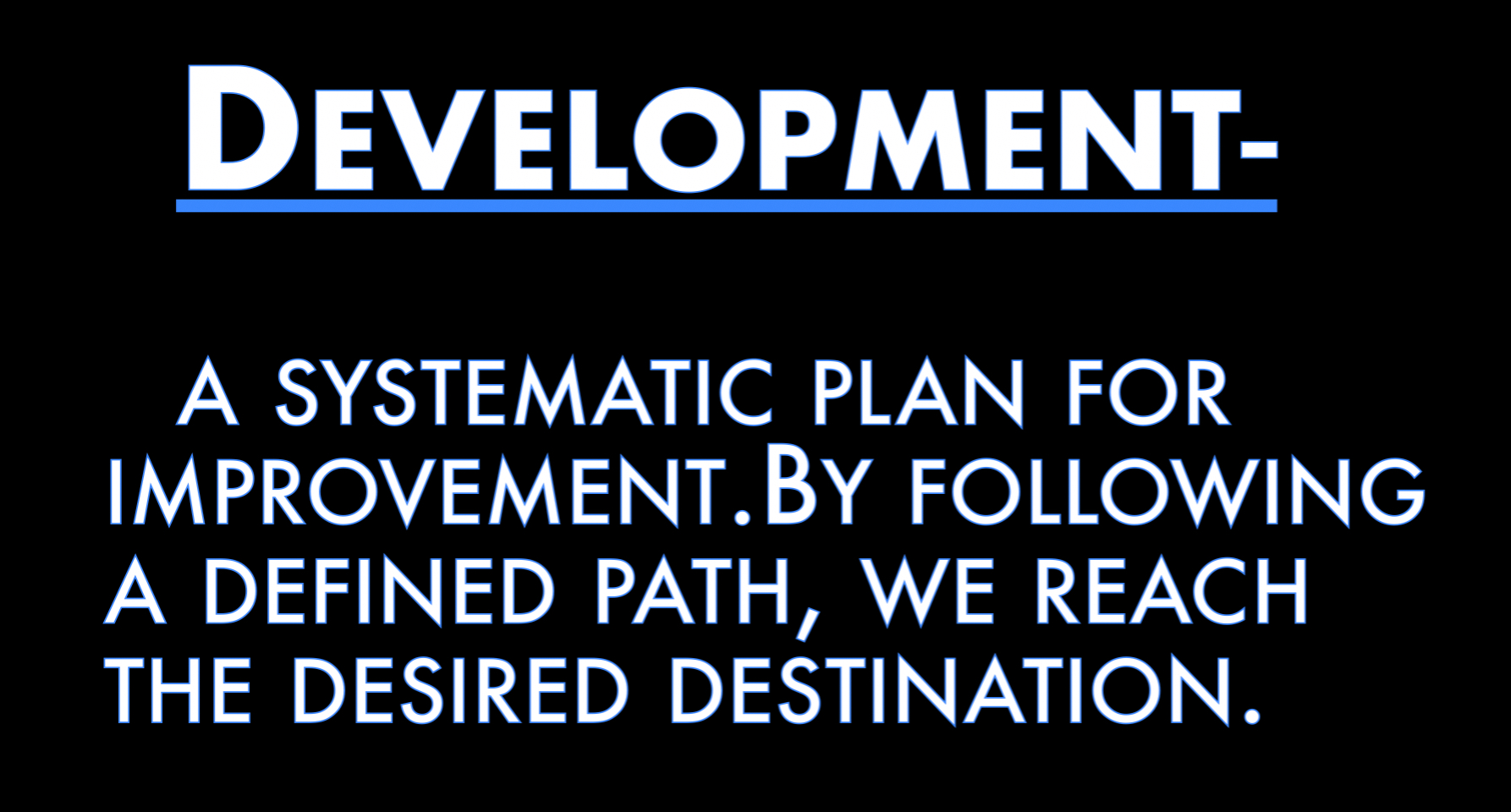
You’ll hear it a hundred different ways from a hundred different places: “We’re all about development.” But what does that mean, really?
Are they referring to the team or the player? What are the goals for each - and do they work in partnership toward a clear destination?
Think of it like Google Maps. The first step is always the same: you enter your destination. Once that’s locked in, the app creates a route. But not everyone’s taking the same road.
Some get the fastest route. Others want the scenic drive. One route might have traffic. Another could throw a detour your way. Maybe there's construction ahead, or you miss a turn and your GPS chirps, “Recalculating.”
Development is no different. The destination - becoming a better, more complete player - might be shared. But the path to get there? That’s personal.
The best definition of development is the one that reflects your current needs and long-term goals. The goal isn’t to do the most - it’s to do what actually moves you forward.
What the Governing Bodies Say
Hockey Canada defines development as:
“A progressive pathway of learning and refinement that supports individual growth, skill acquisition, and long-term engagement in the game.”
USA Hockey calls it:
“The process of preparing players for success at their current level and the next - with age-appropriate training, competition, and personal growth.”
Both understand development is layered. Growth happens through structure, skill work, confidence, and situational learning.
But what matters most is this: What is your plan? And does it reflect what you’re trying to become?
Development Is Ongoing
Development doesn’t stop at a certain age or once a player reaches a specific level. NHL teams invest millions of dollars in player development to help athletes grow into the version they envisioned when drafting or signing them.
Some organizations seem to have the golden touch. Others, not so much.
Every player needs to find the right fit.
I know DHHD isn’t for everybody. For every player that comes and stays, two try it and never return. They have a laundry list of reasons it wasn’t for them. And that’s fine. I’m not here to please everyone. I’m here to help the right players grow.
In markets where you can shoot a puck and hit eight different "development coaches," the real question is: Are you aligned with the one who can get you to where you can’t get yourself?
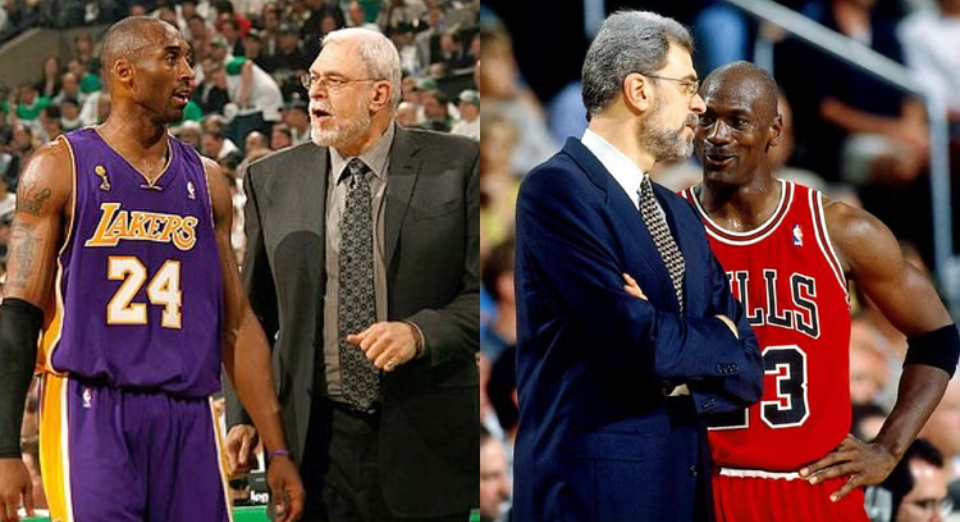
Think Phil Jackson with Jordan and Kobe. The greatest talents still needed someone to challenge them, to guide them, to make them better. If they needed that kind of leadership to reach the top - don’t you?
Look at the Crosbys of the hockey world. The longevity. The evolution.
From the 13-year-old wunderkind we first met, to the salt-and-pepper veteran who remains Canada’s chosen one, he is the bullseye on developmental evolution. His journey is the practical application of lifelong development - on both the micro and macro level.
Players like Crosby don’t just stay great. They keep growing.
And they don’t do it alone.
You need people in your corner. Trusted voices. People who see the long view. That’s where the mentorship piece comes in - the senpai-kohai relationship.
Call it what you want:
Yoda to Skywalker.
Miyagi to Daniel-san.
Players grow faster when someone they trust leads by example. Development starts internally, but it’s sustained by the right relationships.
Ask the Questions That Matter
Every player and every family eventually hits the crossroads: stay the course, change direction, or ask tougher questions.
What does development actually look like where you are? How does your coach approach it? Do they recognize the differences between players and adjust accordingly? Are you clear on what progress looks like month to month, or is everything just "trust the process" without much clarity?
If you're a parent - can you explain how your current environment supports growth? Or are you simply hoping that being on a certain team is enough?
Programs that truly focus on development don’t just talk about it - they show you. They provide feedback, evolve their approach, and give you a roadmap.
And when that isn’t happening, players and parents need to start asking why.
Who Raises the Ceiling?
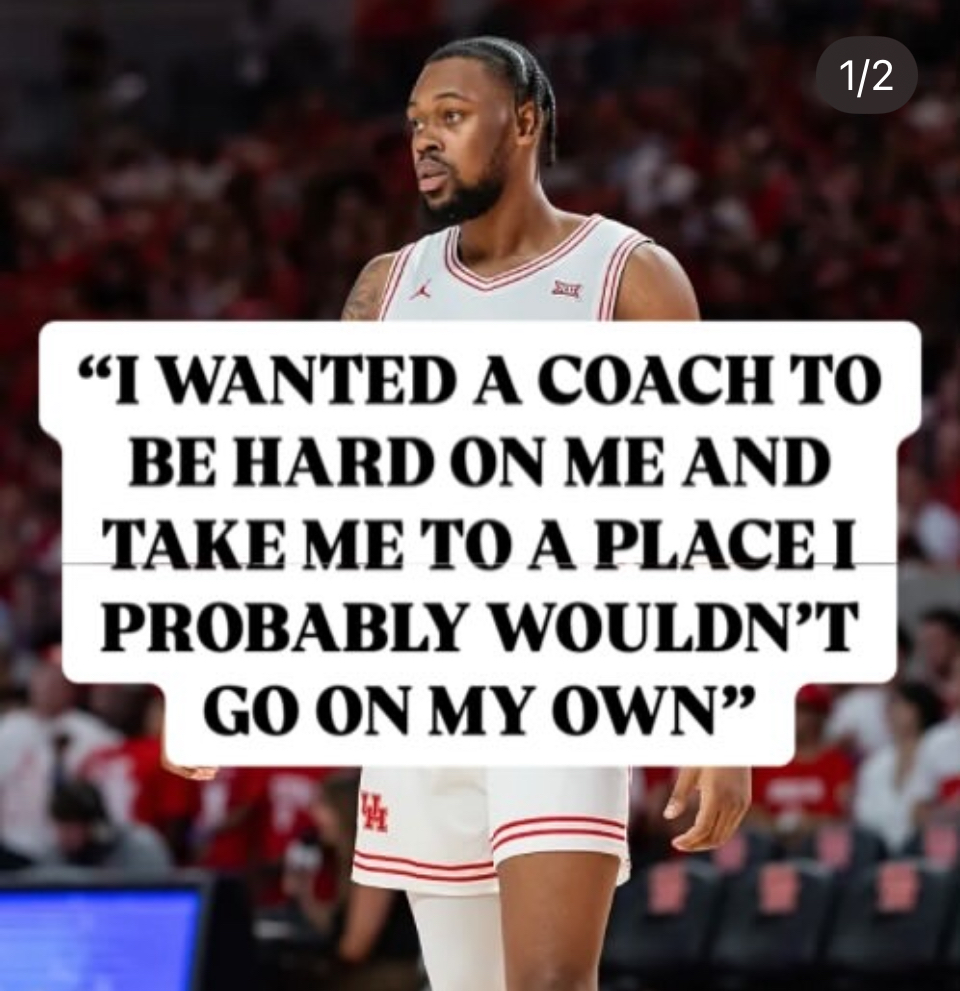
Every player has a ceiling. Coaches can help you reach it - but only you can raise it.
Work ethic. Consistency. Accountability.
You can train with the best in the world and stay stuck if you’re not doing the right work for the right reasons.
The best coaches won’t take you where they want you to go. They’ll help you go as far as you are willing to take yourself.
Development DNA: What Needs to Be Considered
Picture two players. One is 5'6", quick, and mentally sharp but struggles to handle contact. The other is 6'1", raw, but explosive in short bursts and still learning to see the ice.
Same age. Same team. Completely different development needs.
Now imagine both being put through the exact same drills, same intensity, same expectations, same feedback. What happens? One gets better. One falls behind. And neither gets what they truly need.
Development works best when the details are specific. The plan must consider where the player is physically, emotionally, and mentally. What they’ve been exposed to. Who’s coached them. How they respond to adversity. How they learn. What they want - and whether they even know yet.
These aren’t just bullet points on a chart. They’re the lived reality of every player in every locker room. And when coaches and families take time to actually understand them, development stops being theoretical - and starts becoming real progress.
Checkpoint: Is Your Plan Working?
Take a minute and evaluate:
-
Are you better than you were 30 days ago?
-
Are you developing habits that translate to your role?
-
Do you know why you’re doing what you’re doing?
-
Is your environment helping or holding you back?
Development is a mirror. What you’re seeing is what you’ve earned. Your body of work reflects your habits, effort, and growth. If you don’t like what’s showing up, it’s time to change the inputs.
Best Actor or Best Picture?

Some players chase the spotlight. Others focus on impact. Winning Best Actor is great - but being part of Best Picture means you contributed to something lasting, something bigger than yourself.
That’s what development at the next level really looks like. Everyone plays a role. Some roles are big. Some are small. But all of them matter.
And here’s the thing: roles aren’t fixed. They evolve.
The players who grow - who take their development seriously - are the ones who start in supporting roles and work their way up. They earn more responsibility by consistently handling what they’ve been given. They don’t show up on Day One with a starring role.
Chances are your rise will come with reps, lessons, and a whole lot of small steps. That’s not a knock - it’s the reality of the climb.
Development isn’t about perfection. It’s about progression. Putting the pieces together, day by day, until you become someone your team can lean on. Until your impact is undeniable. Until you move from role player to difference maker.
So ask yourself: is your role today helping you become the player you want to be tomorrow?
Understand the plan. Execute your part. Then keep building.
That’s how you grow - and how you become an A-lister.
So What’s Next?
There’s no one path. No master checklist. Just choices.
You’ll have moments where you second-guess your training, question your environment, or wonder if you’re doing enough. That’s normal. What matters is how you respond.
Are you curious about your gaps? Are you willing to learn what “better” looks like for you, even if it’s uncomfortable to hear?
Development rewards those who reflect, ask, and then act.
Maybe it’s a conversation with your coach. Maybe it’s rethinking how you spend your time off the ice. Maybe it’s doubling down on the small stuff others overlook.
Whatever it is - own it.
Webster’s Dictionary defines development as growth and progress. And growth isn’t limited to highlight reels or stat sheets - it’s seen in the way you show up, bounce back, learn, lead, and keep going.
If you’re moving forward, beating yesterday, and improving in any of the many ways a player can grow - you’re developing.
At every age. In every position. In every sport.
One player’s chapter one might be another’s chapter fourteen - or volume three in their trilogy. Everyone’s journey is different in timing, shape, and story arc. The goal isn’t to match someone else’s plot - it’s to keep writing your own.
The most successful people never stop evolving. They stay curious. They stay invested. They don’t wait for someone else to push them - they push themselves.
They embrace the work. And they own the climb.
That’s how you get better. And stay better.🏒
About the Author
He’s worn a lot of different hats - player, coach, mentor - but development has always been at the core of the work. Whether it’s guiding a 16-year-old through their first year away from home or helping a pro refine their habits, Darrell believes development is earned, not handed out. These days, he works with players chasing their next step - not just on the ice, but in how they think, train, lead, and grow. Because the truth is simple: everyone, at every level, is still developing - including him.
