
The Off-Season Advantage
Mar 27, 2026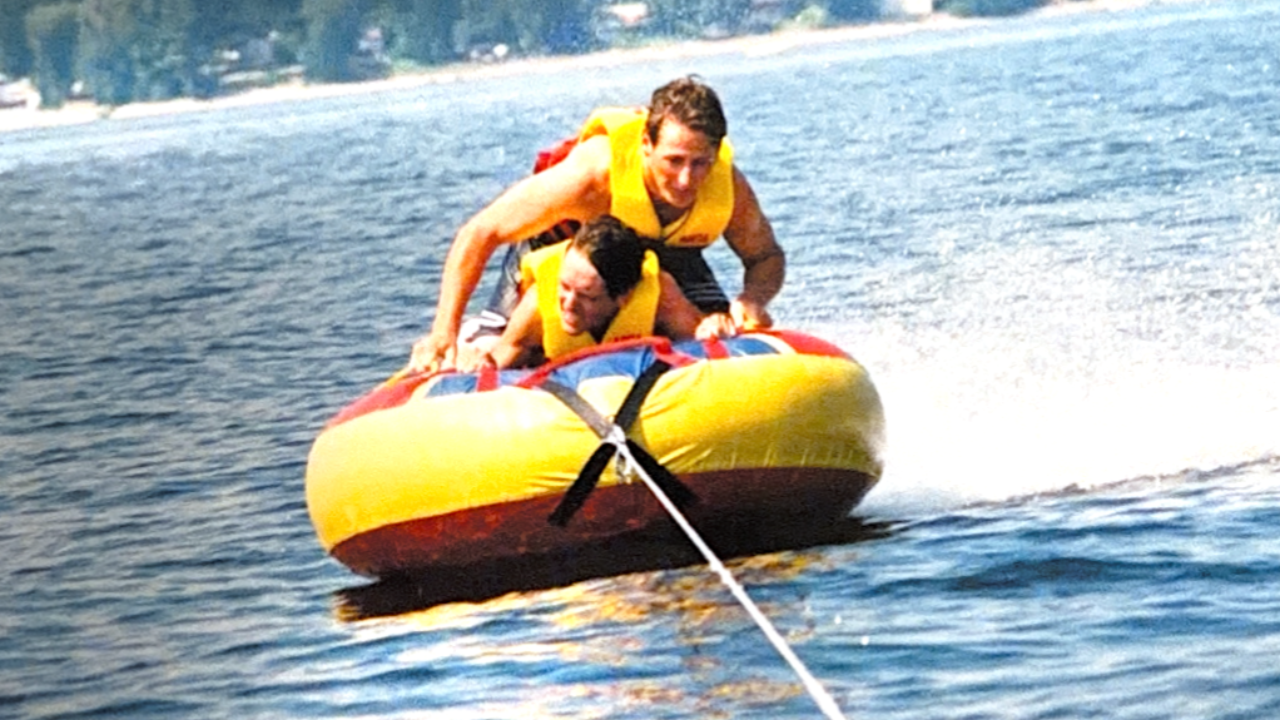
Every spring around the time the snow melts and the season winds down, I start hearing the same question from parents.
“What should my kid be doing this offseason to get better at hockey?”
The answer sometimes surprises people.
Play something else.
USA Hockey has a quote that perfectly captures the idea:
“The best athletes make the best hockey players, not the other way around.”
That line carries a lot of truth. Hockey demands balance, strength, coordination, endurance, and quick decision making. But those things are not only built through skating drills and stickhandling stations.
They come from becoming a well-rounded athlete.
Sometimes the best way to improve your hockey game is to step away from the rink for a little while.
When the Ice Came Out
Today when the snow melts, kids often move straight into spring hockey. One team turns into another. Spring teams lead into summer teams, and before you know it the calendar is full again.
That’s just the reality of youth sports today.
But when I was growing up, the offseason looked very different.
When the season ended, the ice literally came out of the arena.
Not metaphorically.
Physically.
The compressors shut down, the ice melted, and hockey was done until the fall.
There were no spring teams.
No summer leagues.
No year-round schedules.
So we did what kids naturally do.
We played other sports.
Soccer in the spring.
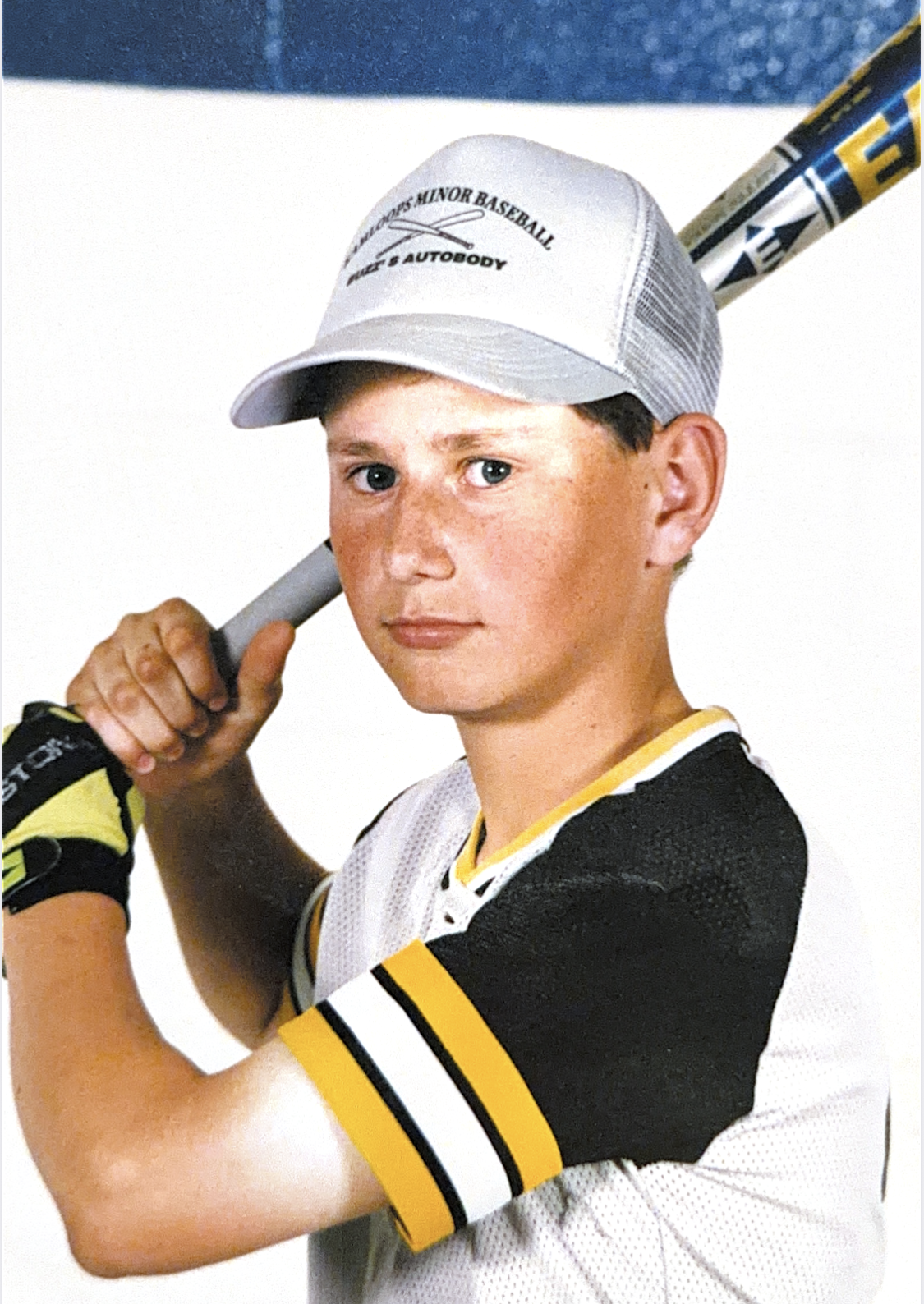
Baseball in the summer.
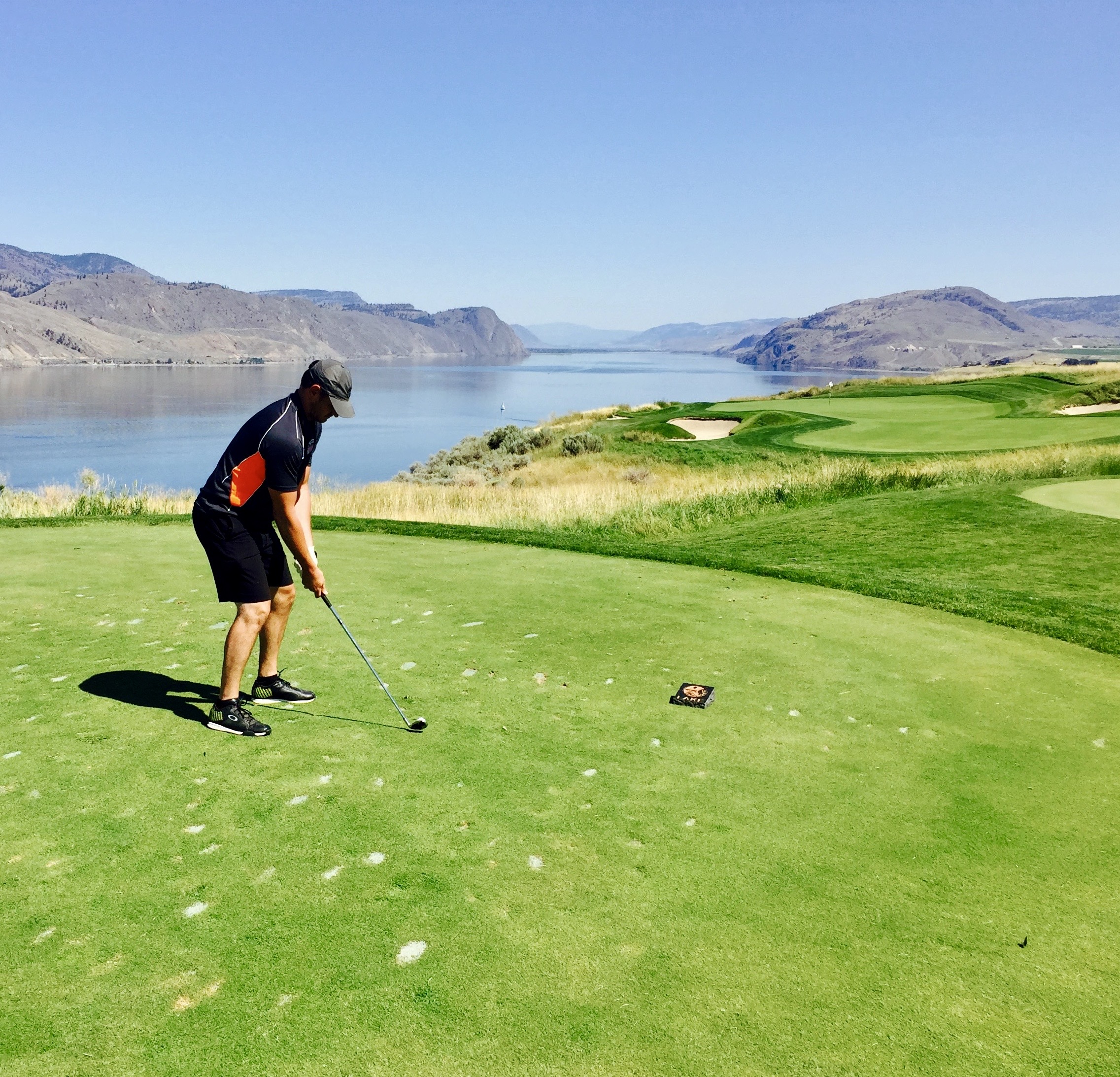
Golf whenever someone could drop us off at the course.
And if the weather was good, chances were you could find us at the lake tubing, swimming, or trying any water sport someone’s dad was willing to pull behind a boat.
We didn’t think of it as training.
But it was.
A Quick Note Before the Chirping Starts
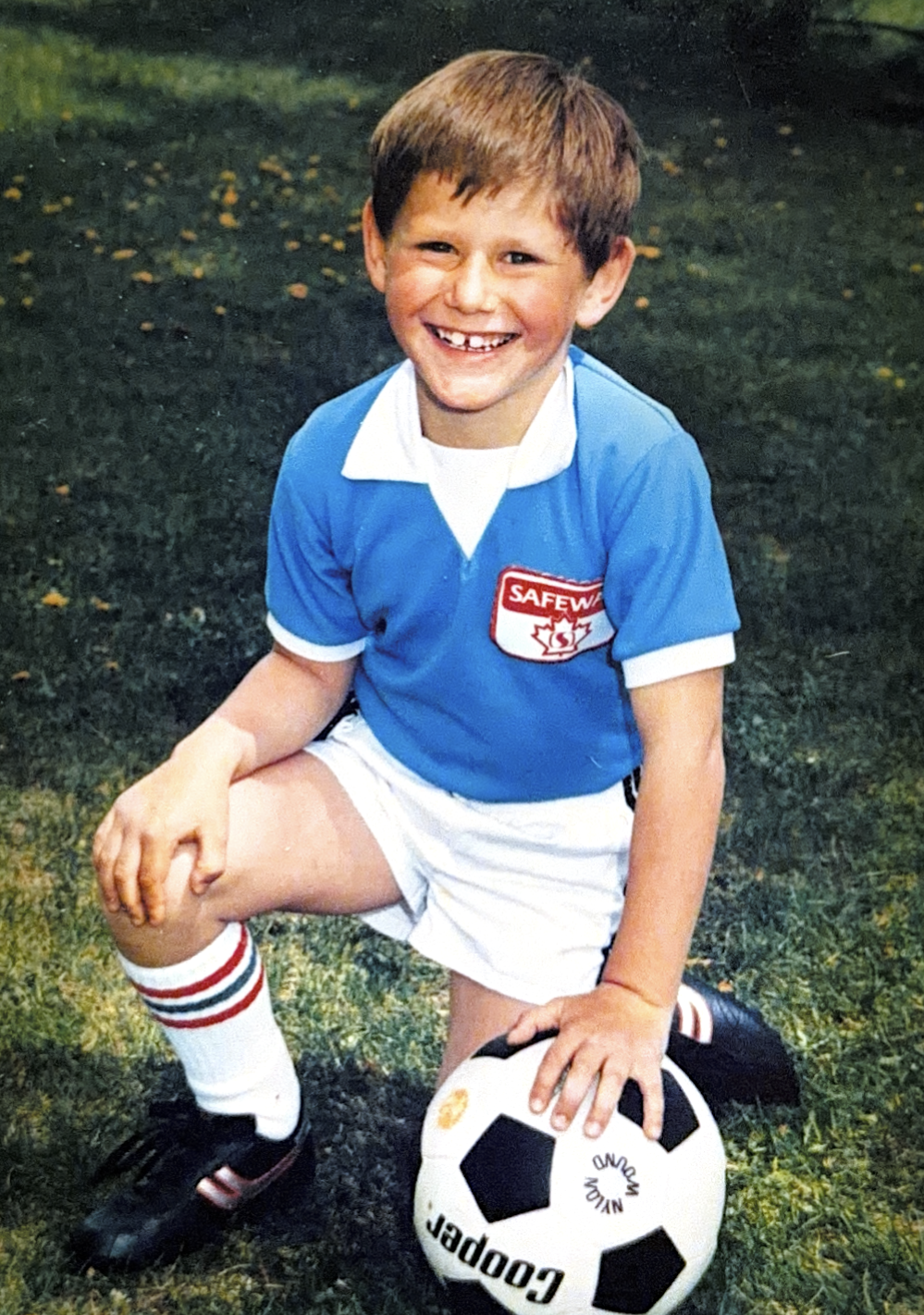
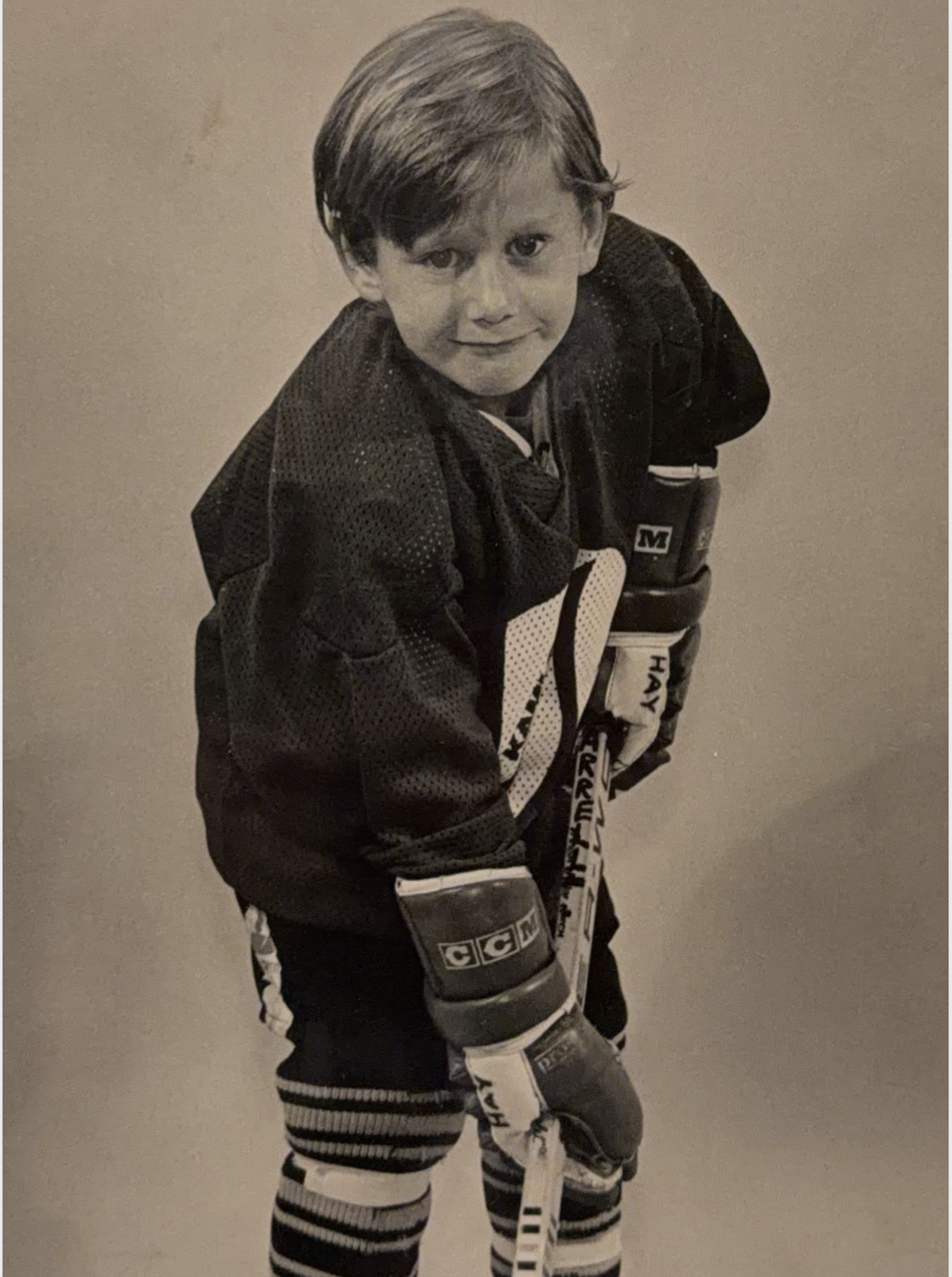
Some of the photos in this article are from my younger years.
And before anyone starts chirping the haircuts that look like they belong in an episode of Stranger Things, just remember something.
That was the era.
We weren’t copying style.
We were the original vibe.
I Wasn’t the Best Player
I’ll be the first to say it.
I wasn’t the best hockey player growing up and I’ll never pretend that I was.
But what my parents did do, and something I’m incredibly thankful for now, was encourage me to participate in other sports.
They wanted me to learn new skills.
They wanted me to be part of different groups outside of hockey.
They wanted me to embrace the struggle that comes with doing something new.
That “newness” forces growth.
It teaches humility.
It teaches patience.
It teaches problem solving.
Most importantly, it helps you appreciate the sport you love even more when you return to it.
Riding Bikes and Paper Routes
Back then nothing was handed to us.
If we had practice, we rode our bikes.
I rode my bike to soccer practice.
I rode my bike to baseball games.
If we wanted to play somewhere, we figured out how to get there.
My first paid job was delivering papers for the Kamloops Daily News.
I also refereed youth soccer games.
Those jobs paid for Starter jackets, a membership to Columbia House and a summer's supply of Slurpees.
Back in 1994 a junior membership at the Kamloops Golf and Country Club was about $100.
My buddy Jordan Backman and I spent hours there.
And when I say hours, I mean hours.
We would fish golf balls out of the water hazard in front of the par-5 third hole, clean them up, and go hit them again.
We weren’t thinking about building hand-eye coordination or body control.
We were just kids having fun.
But those reps mattered.
Sports Were Always the Workout
Even later in my career that mindset never really changed.
During my first couple of years playing pro hockey, I played men’s league soccer in Kamloops during the summer.
Why?
Because I hated running.
Running outside bored me.
Running on a treadmill bored me even more.
But playing soccer?
That didn’t feel like conditioning.
That felt like competition.
Anybody that knows me also knows how boring lifting weights is for me.
I understand its importance, but what I’ve always loved is playing sports.
Thinking.
Competing.
Working with people.
Movement with purpose.
That’s where athletes are built.
Idaho Is Built for This
One of the great advantages we have living in Idaho is the opportunity to experience so many different activities.
Within a short drive you can find:
Soccer fields
Baseball diamonds
Golf courses
Mountains
Rivers
Lakes
Kids here can swim, paddleboard, bike, hike, fish, wakeboard, ski, and still make it home for dinner.
That variety is not a distraction from hockey.
It’s a gift.
Because every new movement pattern an athlete learns builds a stronger foundation for the sport they love most.
Athlete First, Hockey Player Second
You can usually spot the multi-sport athletes the moment they step on the ice.
They move differently.
They react quicker.
Their bodies understand movement in a more natural way.
They are athletes first.
Hockey players second.
The Long Game
One of the biggest challenges in youth sports today is remembering that development takes time.
The goal is not to create the best 12-year-old hockey player.
The goal is to develop the best 18-year-old athlete who still loves the game.
USA Hockey’s development model consistently encourages multi-sport participation for exactly this reason.
Athletic diversity builds better players.
And it builds healthier athletes who enjoy the journey.
Enjoy the Offseason
So when the season ends and the gear gets tucked away for a little while, remember something simple.
Let kids be kids.
Play baseball.
Kick a soccer ball.
Jump in the lake.
Play a round of golf.
The rink will still be there in the fall.
And when those athletes return, they might just be better hockey players because they spent the summer becoming better athletes.🏒
About the Author
Darrell Hay still believes some of the best offseason training happens on a golf course, at a lake, or anywhere athletes are moving and competing. He also maintains that fishing golf balls out of water hazards might be the most underrated summer training method ever discovered.
