
The Grass Is Greener Where You Water It
Mar 14, 2026
There’s a lot of movement in youth hockey.
New teams.
New programs.
New promises.
New logos.
Every season, families are told that development lives somewhere else. That the next team, the next league, or the next opportunity is where real growth happens.
So the chase begins.
What often gets lost in all that movement is a simple truth: development doesn’t happen because of a jersey. It happens because of attention, consistency, and time.
The grass isn’t greener somewhere else.
It’s greener where you water it.
Watering Is Only Part of the Job
Anyone who has actually taken care of a lawn knows this: watering alone doesn’t solve much.
Healthy growth takes more than turning on the sprinkler and walking away. It takes:
-
pulling weeds before they spread,
-
cutting back what’s growing too fast,
-
removing thatch so new growth can breathe,
-
fertilizing intentionally, not constantly,
-
dealing with dead spots without panicking,
-
and adjusting when you’ve watered too much or not enough.
Development works the same way.
Water represents reps, opportunity, ice time, and access. Those things matter. But without the rest of the work, more water doesn’t always help. Sometimes it makes things worse.
Weeds Grow Faster Than You Think
The fastest-growing things in development aren’t always the healthiest.
Bad habits.
Entitlement.
Shortcuts.
Outside noise.
If they’re left alone, they steal time and energy from the things you’re actually trying to grow. Pulling weeds isn’t punishment. It’s protection.
Sometimes that means hard conversations.
Sometimes it means saying no.
Sometimes it means removing distractions that don’t serve the bigger picture.
That’s not being negative.
That’s being responsible.
Cutting Back Isn’t Going Backward
Every lawn needs to be cut. Growth without structure turns into chaos.
In hockey, cutting back might look like fewer games, fewer teams, less travel, or simplifying a schedule that’s gotten too crowded. That doesn’t mean a player is regressing. It means the environment is being managed so learning can continue.
Doing more and getting better are not the same thing.
Sometimes progress comes from subtraction, not addition.
Dead Spots Are Part of the Process
Every lawn has dead spots. Shaded areas. Places that struggle more than others.
Development has them too.
Plateaus.
Confidence dips.
Injuries.
Moments where nothing seems to click.
Those moments don’t mean something is broken. They mean attention needs to shift. More patience here. More structure there. Less comparison everywhere.
Dead spots aren’t a reason to move houses.
They’re a reason to adjust the care.
The Noise Is Loud. The Work Is Quiet
One of the hardest parts of development today is filtering outside noise.
Social media.
Group chats.
Other parents.
Stories about who’s going where next.
There’s no shortage of people willing to talk about where they played, what they almost did, or who held them back. There’s always an excuse. There’s always someone else to blame.
But living in the past doesn’t help kids in the present.
Development isn’t loud. It’s quiet. It’s unglamorous. It’s showing up consistently and staying patient when progress doesn’t announce itself.
Every Watering Program Looks Different
No two lawns are the same. Soil, sunlight, climate, and use all matter. What works next door might not work where you live.
Development is no different.
Age.
Maturity.
Learning style.
Personality.
Goals.
Every player’s “watering program” will look a little different. Chasing someone else’s plan without understanding your own context usually creates more stress than growth.
Comparison is a poor gardener.
Closing Thought
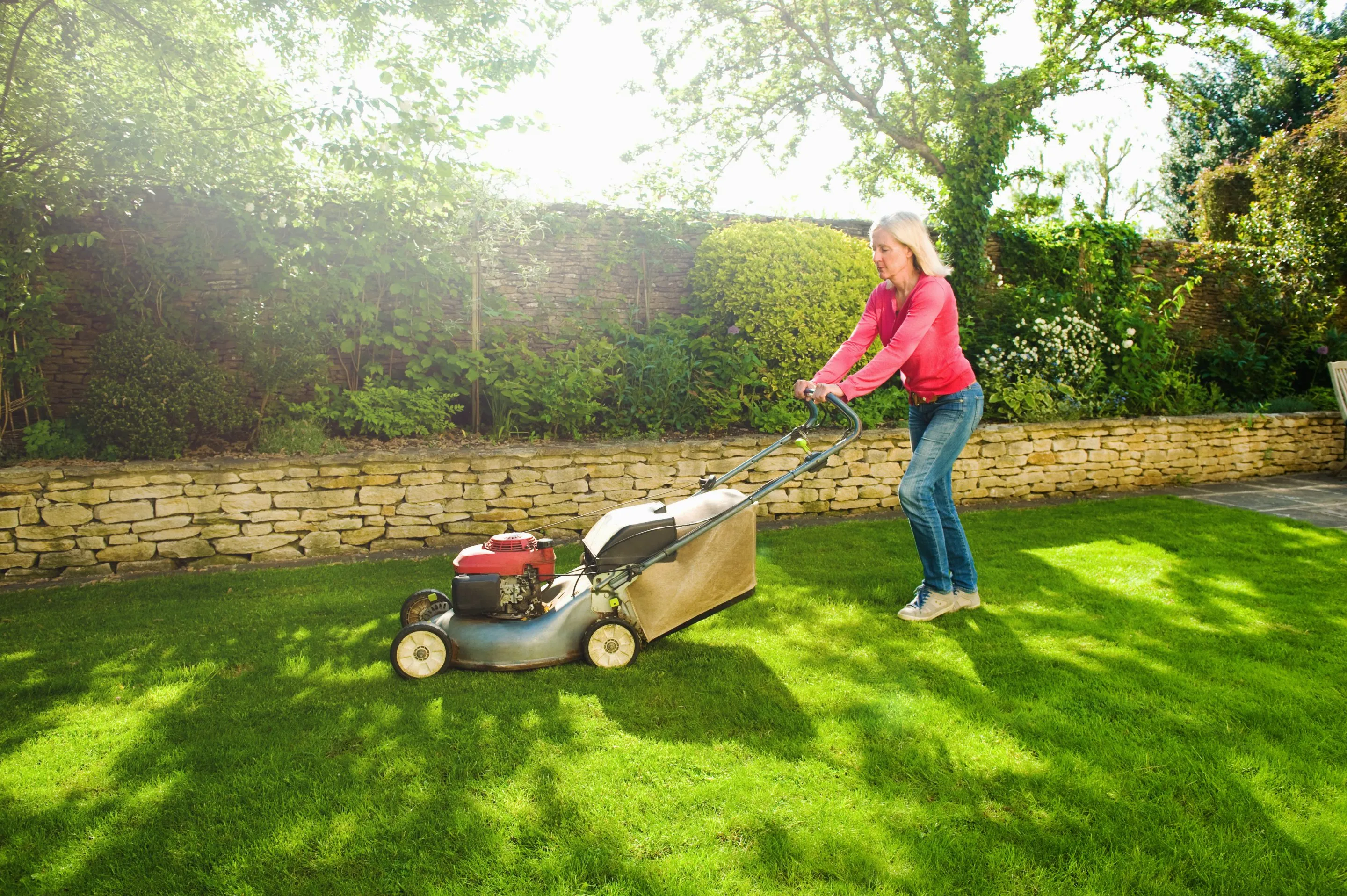
Development isn’t about finding the perfect lawn. It’s about taking care of the one you’re standing on.
That means watering, yes.
But it also means pulling weeds, cutting back when needed, adjusting along the way, and staying patient through the rough patches.
The grass gets greener where you water it.
And where you’re willing to do the work most people don’t see.
About the Author
Darrell Hay is a former player and current coach who never understood his dad’s obsession with keeping people off the lawn. Every reminder was met with the same response: “Wait until you own your own lawn.”
Years later, armed with a burgeoning green thumb, a carefully guarded yard, and a Husqvarna mower cherished almost as much as his old P91A curve, it turns out the old fart was right.
