
Skill Is a Tool, Not the Answer
Feb 14, 2026
We’ve done a great job developing skilled hockey players.
Kids can stickhandle.
They can skate.
They can make plays in small spaces.
They’re comfortable with the puck earlier than ever.
That’s a good thing.
But somewhere along the way, skill started being treated like the solution to every problem on the ice.
And that’s where things get messy.
When Every Problem Looks Like a Skill Problem
There’s an old saying. When all you have is a hammer, every problem looks like a nail.
In modern hockey, skill has become the hammer.
Gap too tight? Try a move.
Pressure coming? Beat it one-on-one.
No lane? Force something creative.
Instead of making a better decision, players often attempt a harder execution.
Not because they’re selfish.
Not because they don’t care.
But because they’ve learned that skill is supposed to be the answer.
Sometimes it is.
Often, it isn’t.
Skill Without Context Creates Chaos
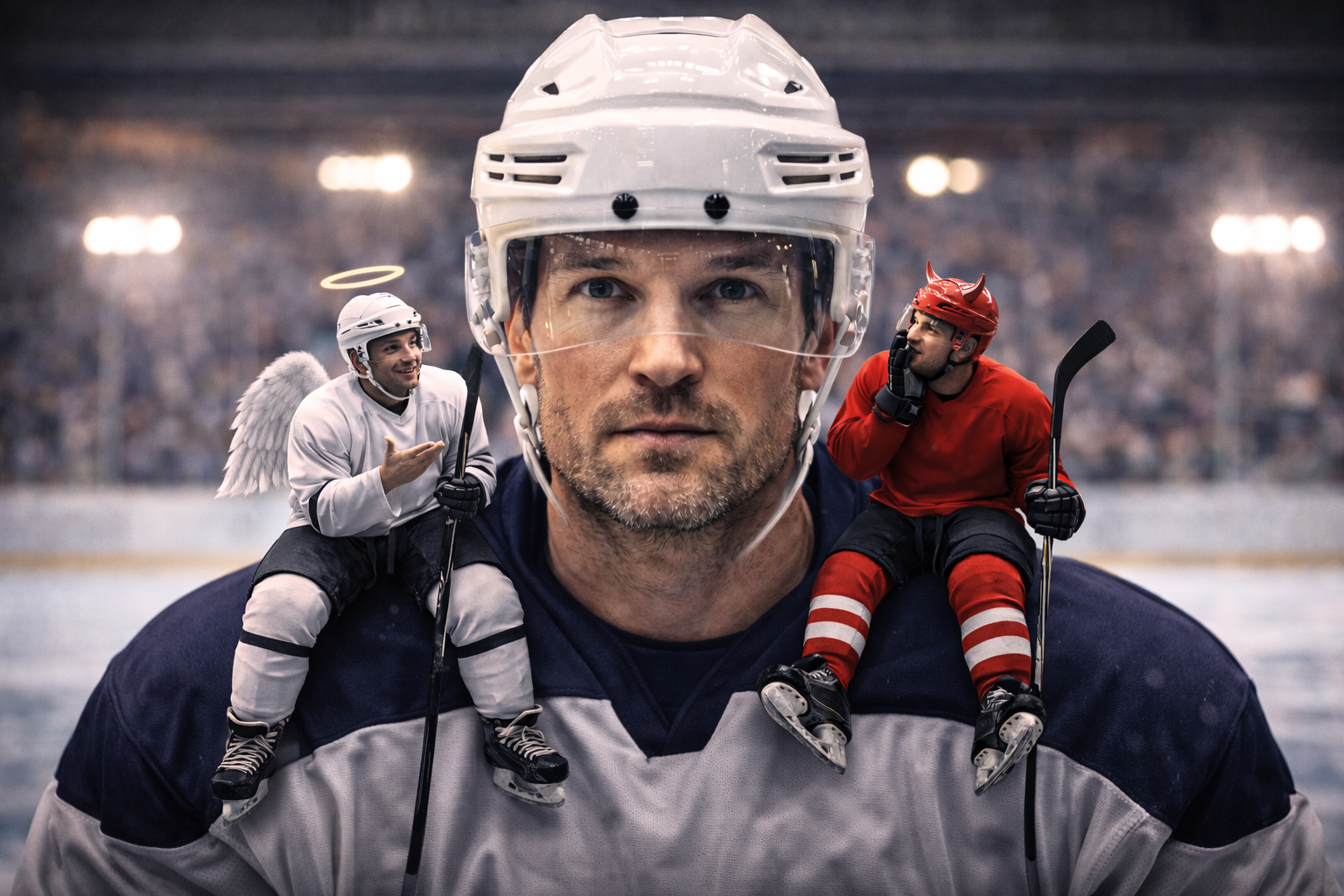
Skill is powerful. But skill without context creates problems.
Great hockey decisions live at the intersection of:
-
time,
-
space,
-
support,
-
score,
-
and situation.
The best players don’t use less skill.
They use it selectively.
They understand when to:
-
make the simple play,
-
advance the puck,
-
live for the next touch,
-
or slow the game down.
That understanding doesn’t come from more moves.
It comes from better reads.
Harder Isn’t Always Better
One of the biggest misconceptions in development is that harder equals higher level.
A harder play.
A tighter window.
A riskier option.
But harder doesn’t always mean smarter.
High-level hockey is often boring to the untrained eye. It’s efficient. It’s predictable. It’s repeatable.
The difference is that when elite players do choose to use skill, it’s at the right time, in the right place, for the right reason.
That isn’t flash.
That’s intelligence.
Execution Errors vs Decision Errors
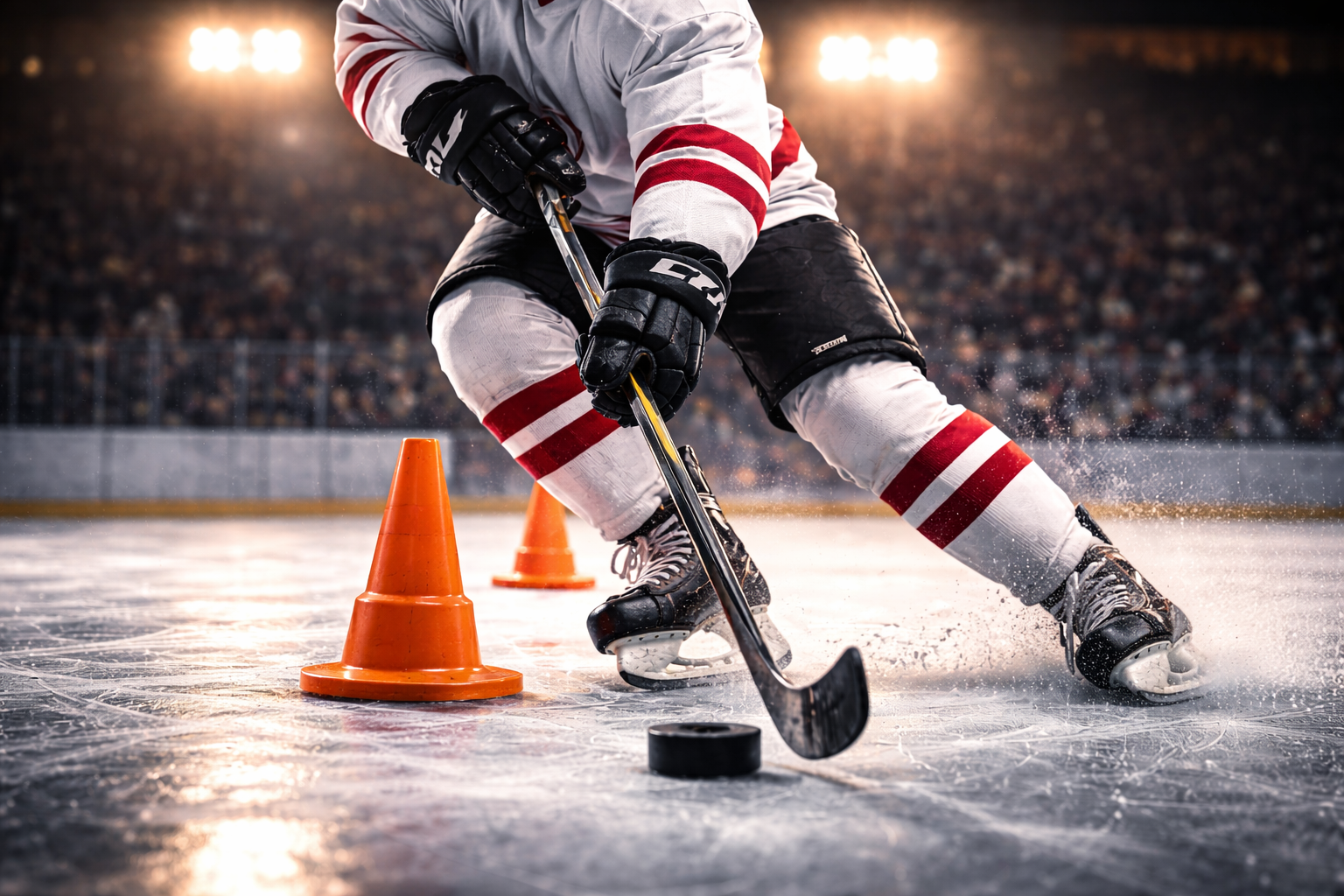
This distinction matters.
An execution error happens when the idea is right, but the skill falls short.
A decision error happens when the idea was wrong from the start.
Many players work tirelessly to clean up execution while ignoring the decision that caused the problem in the first place.
Better players fix both.
Great players start by fixing the decision.
Skill Is a Tool
Skill is a tool in the toolbox.
So is skating.
So is positioning.
So is communication.
So is patience.
You don’t use a hammer for every project.
You use the right tool for the job.
Players who understand this don’t just look skilled. They look composed. Coaches trust them because their game holds up when things get tight.
That trust leads to more ice, not less creativity.
Teaching Time and Place

This is where development shifts.
Not teaching what to do, but when to do it.
When to attack.
When to protect the puck.
When to move it early.
When to hold it an extra second.
Time and place aren’t anti-skill.
They’re what make skill effective.
Closing Thought
The game doesn’t reward the most skilled player.
It rewards the player who makes the best decisions most often.
Skill opens doors.
Judgment keeps them open.
In the long run, players who learn how to think the game don’t just survive higher levels. They thrive in them.
Because skill was never the answer.
It was always the tool. 🏒
About the Author
Darrell Hay is a former player and current coach who believes skill matters, but decisions matter more. He enjoys thinking about complex problems, even the ones he still can’t solve, like rubbing his stomach, patting his head, and chewing gum at the same time. When he’s not at the rink, he’s usually thinking about how habits are built and why the simple play is often the hardest one to choose.
