
Finish Strong, Choose Wisely.
Jan 30, 2026
As the season moves into its second half, the questions start to get louder.
What comes next?
Should we play spring hockey?
Do we need more ice?
More games?
More training?
What is everyone else doing?
It’s easy for this stretch of the year to feel rushed, like decisions need to be made immediately or opportunities will disappear. In reality, this is one of the most important windows to slow down, zoom out, and finish the season with intention.
How you close the year matters.
Not because it locks anything in, but because it sets the tone for what comes next.
Finishing the Season the Right Way
The second half of the season isn’t about chasing results. It’s about habits.
Details matter more now.
Consistency matters more now.
Being a good teammate matters more now.
This is when players show who they are when things feel repetitive, when the excitement of the start has worn off, and when improvement is measured in small steps instead of highlights.
Strong finishes don’t come from doing more.
They come from doing the basics well, over and over again.
Spring Hockey: Context Matters
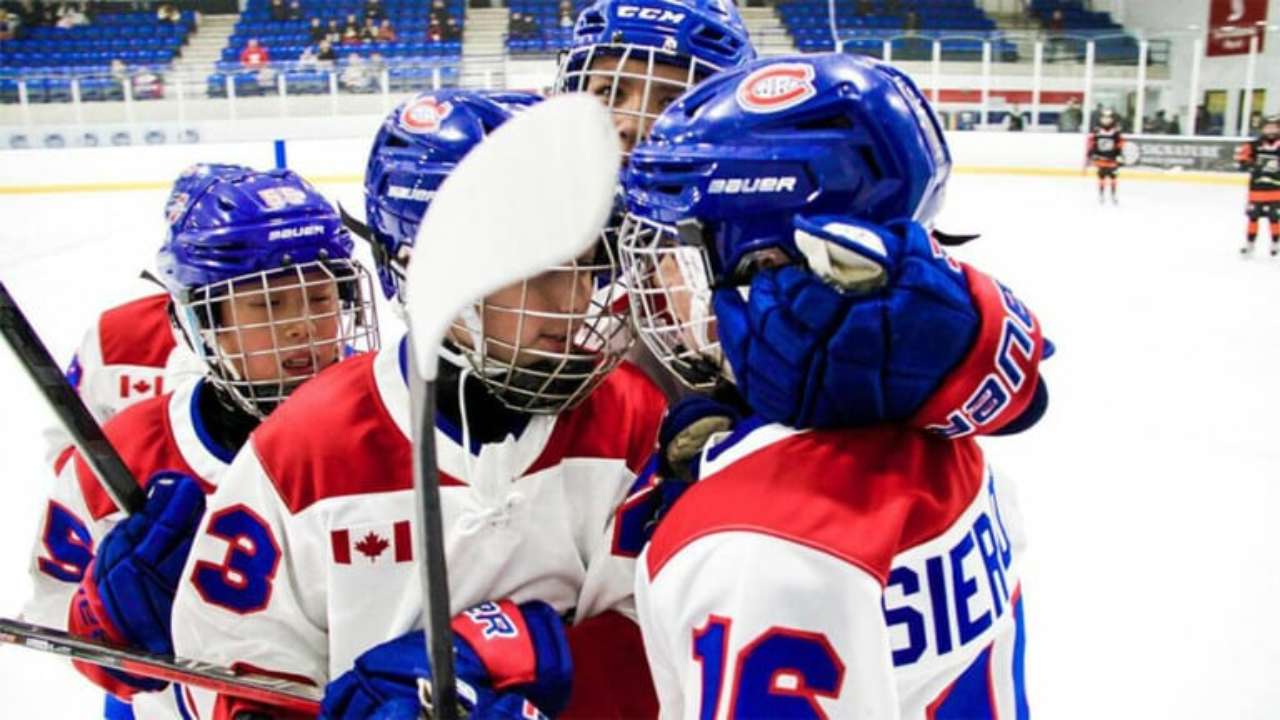
Spring hockey often gets framed as a requirement. If you’re not playing, you’re falling behind. If you are playing, you’re doing the right thing.
The truth is simpler than that.
Spring hockey isn’t good or bad. It’s a tool.
For some players, it provides extra reps and confidence. For others, it adds volume without solving the things that actually need attention. More games don’t automatically mean more development, especially if the season just ended with a heavy physical and mental load.
The question isn’t, “Is spring hockey good?”
It’s, “What problem are we trying to solve?”
If that answer isn’t clear, adding more hockey rarely helps.
Preparing for Tryouts Without Living in Them
Tryouts are coming. They always are.
But they’re not something to train for as much as they’re something to prepare through. Three days in a rink don’t outweigh months of habits.
Confidence at tryouts doesn’t come from comparison.
It comes from preparation.
Players who take care of the details now, who compete honestly, listen well, and stay consistent, usually show up calm when the time comes. Players who chase validation tend to carry more tension.
Tryouts are information.
They’re not a verdict.
Other Sports and the Value of a Reset

Stepping away from the rink for a period of time doesn’t mean stepping backward.
Playing another sport can improve coordination, competitiveness, and overall athleticism. Just as importantly, it can reset the mind. Hockey demands attention, emotion, and energy. That tank needs to be refilled.
Burnout doesn’t come from rest.
It comes from never turning the noise off.
A short mental reset often leads to better engagement when players return.
Off-Season Training: Intention Over Volume
Off-season training should support hockey, not replace it.
This is where strength, movement quality, and injury prevention matter. A well-designed off-season program focuses on building the athlete, not just exhausting them.
Random workouts and generic plans rarely address individual needs. Intentional training, designed with hockey demands in mind, creates a foundation that shows up later, quietly and consistently.
More isn’t always better.
Better is better.
School Still Matters (And Summer Is an Opportunity)

For players with goals beyond youth hockey, academics aren’t separate from development. They’re part of it.
One of the most overlooked opportunities is summer school. Not as a fallback, but as a way to get ahead. Polishing up core subjects. Improving transcripts. Knocking out heavier classes when the on-ice and travel load is lighter.
That kind of planning creates space during the season. Less stress. Better focus. Fewer late nights trying to juggle everything at once.
It’s the same idea as load management in hockey. You don’t want all the weight on the bar at the same time. Smart players spread it out.
Grades matter. Habits matter. Coaches notice both.
Resisting FOMO
It’s impossible to scroll through a season without seeing what everyone else is doing.
More skates.
More teams.
More programs.
More opinions.
But development isn’t a group project.
What works for one family may not fit another. Context matters. Age matters. Physical maturity matters. Mental readiness matters.
Just because someone else is doing more doesn’t mean they’re doing better.
The goal isn’t to match pace.
It’s to choose intentionally.
Closing Thought
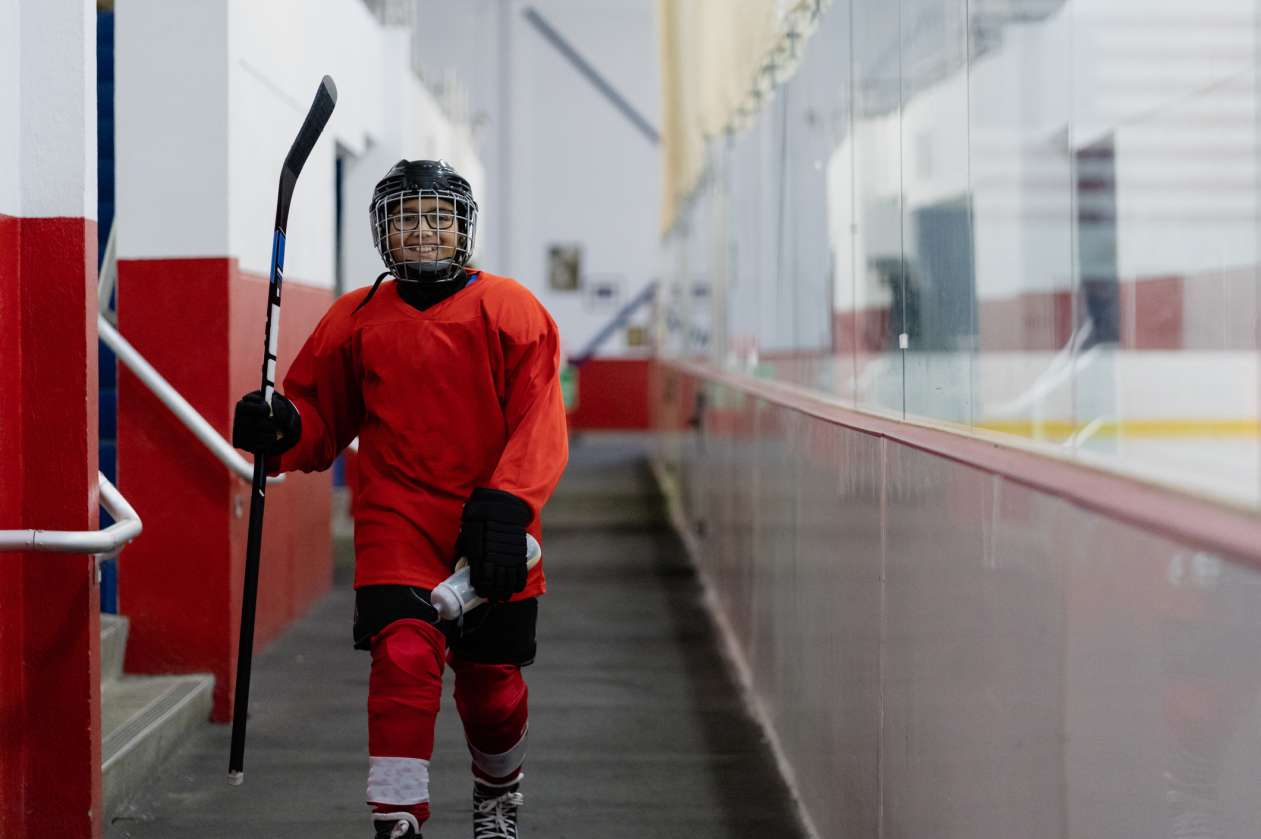
The second half of the season is a chance to finish with purpose and set the table for what’s next.
Not by rushing.
Not by chasing noise.
Not by copying someone else’s plan.
But by making thoughtful decisions, managing load, and staying focused on what actually moves development forward.
Finish strong.
Choose wisely. 🏒
About the Author
Darrell Hay is a hockey director, coach, and parent who spends a lot of time on the road. Travel days usually include a Costco supply of chewing gum, a bag full of chargers, and a book packed intentionally to keep screen time in check. He buys Expo chisel dry erase markers in bulk and keeps his mind sharp with the Jumble. A habit that started years ago solving puzzles with his grandmother Nellie over grilled cheese sandwiches in Kamloops B.C.
